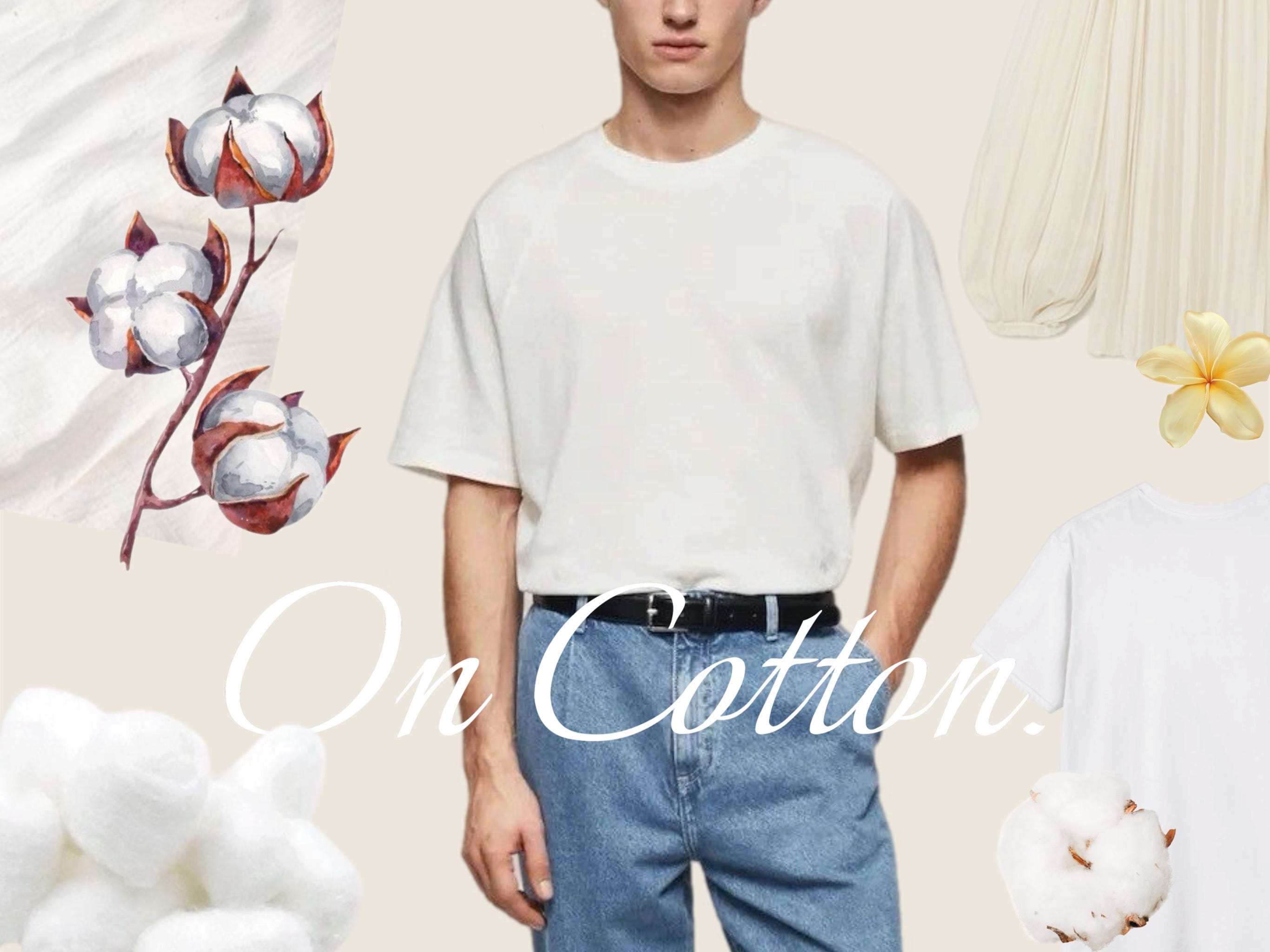
On Cotton.
The Underrated Backbone of Fashion

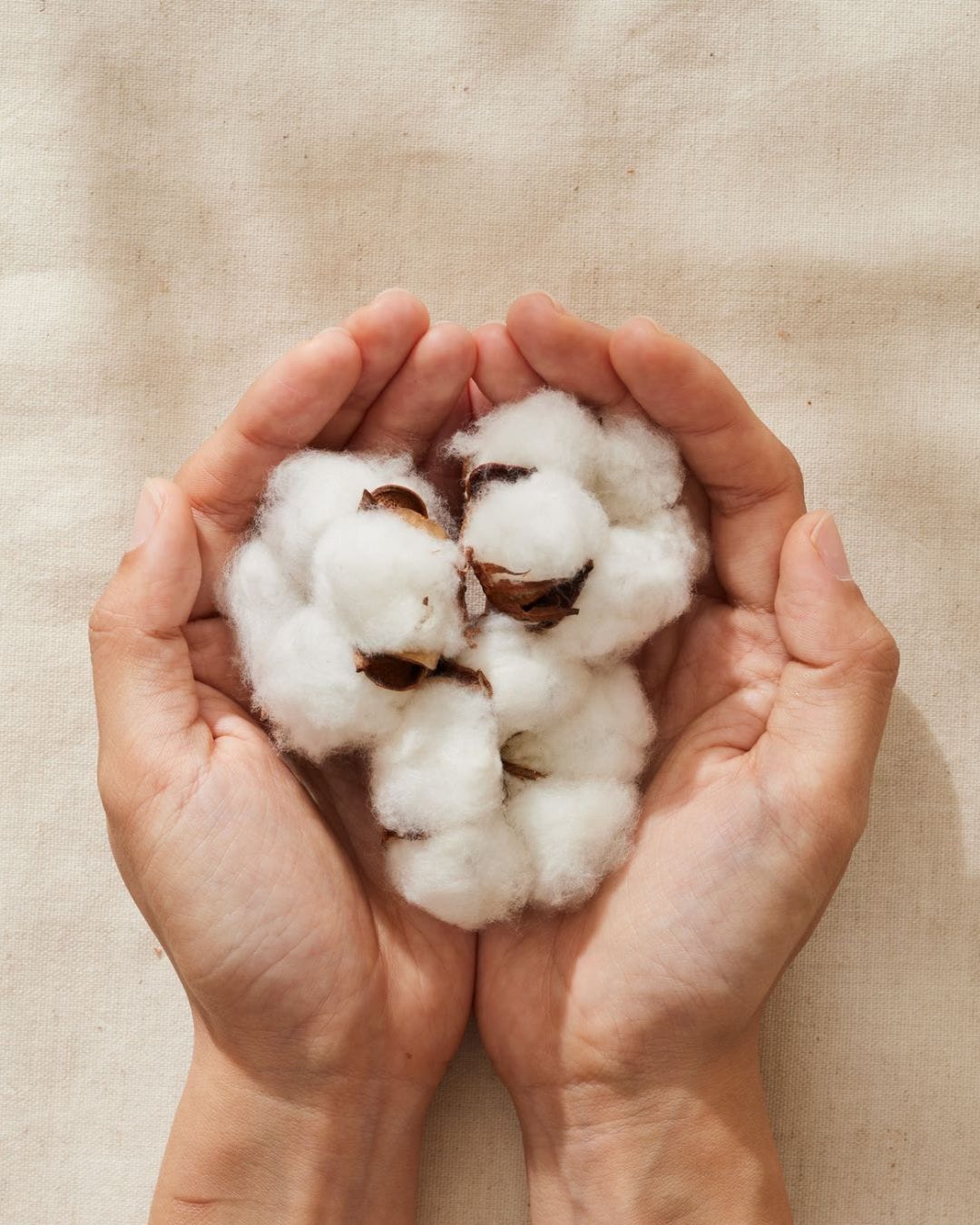
Cotton doesn’t often get invited to the red-carpet conversation. It’s not slinky like silk or decadent like velvet. It doesn’t rustle dramatically or sparkle under chandeliers.
But the best cotton is often the foundation of everything else, from underwear to jeans and t-shirts. And that, of course, is where most people go wrong.
You see, not all cotton is created equal. Some of it is entirely deceptive — all soft and innocent in the shop, only to morph into a sad, scratchy dishrag after two washes. Others, meanwhile, are spun so beautifully they feel like wearing a spring’s breeze.
So if you’ve ever found yourself wondering whether a cotton shirt should cost £300, or if your new “luxury” sheets are actually just dressed-up sandpaper… pull up a chair. Let’s talk cotton.
First Things First: What Is Cotton Actually?
At its simplest, cotton is a natural fibre harvested from the cotton plant. It’s what your most beloved white T-shirt is made of, as well as your fanciest poplin shirt, your bedsheets, your beach kaftan, your grandmother’s embroidered handkerchief.
But the difference between cotton and quality cotton is in the details. Fibre length, harvesting methods, spinning process. It all matters.
The Three Most Luxurious Cottons in the World
Egyptian Cotton
Ah yes, the one with the most well-known reputation. Proper Egyptian cotton (not the dodgy blend pretending in discount department stores) is grown in the Nile Delta, hand-picked, and known for its extra-long staple fibres.
Longer fibres mean fewer joins when spun, which means smoother, stronger, softer fabric. The real thing is divine. It’s breathable, cool to the touch, and the cornerstone of high-end bedding and fine shirting.
Best for: Bedsheets that feel like sleeping inside a cloud, rich enough to own property in Kensington.
Watch out for: The word “Egyptian” being slapped onto anything with a vague connection to sand. Look for certifications like “100% Egyptian Cotton” or “Certified Egyptian Cotton™”.
Pima Cotton (also known as Supima)
This is the West’s answer to Egyptian cotton, grown mainly in the U.S., Peru, and Australia, with fibres almost as long. Supima is the trademarked American-grown version, and it’s known for softness, colour retention, and durability.
Tip: It washes beautifully and only gets softer with age.
Sea Island Cotton
Now we’re getting fancy. This one is rare. Very rare. Originally grown in the West Indies, Sea Island cotton boasts absurdly fine, long fibres and a natural silkiness that feels more like cashmere than cotton.
You’ll find it in ultra-premium shirting, sometimes underwear, often with a price tag that makes you blink twice. But oh the feel of it.
What About Organic Cotton?
Organic cotton is grown without synthetic pesticides or fertilisers, and often with better water and labour practices.
It’s not always softer or better in texture, but if sustainability matters to you, it’s a strong choice. Just look for proper certifications like GOTS (Global Organic Textile Standard).
A Quick Word on Thread Count (Because It’s Not the Whole Story)
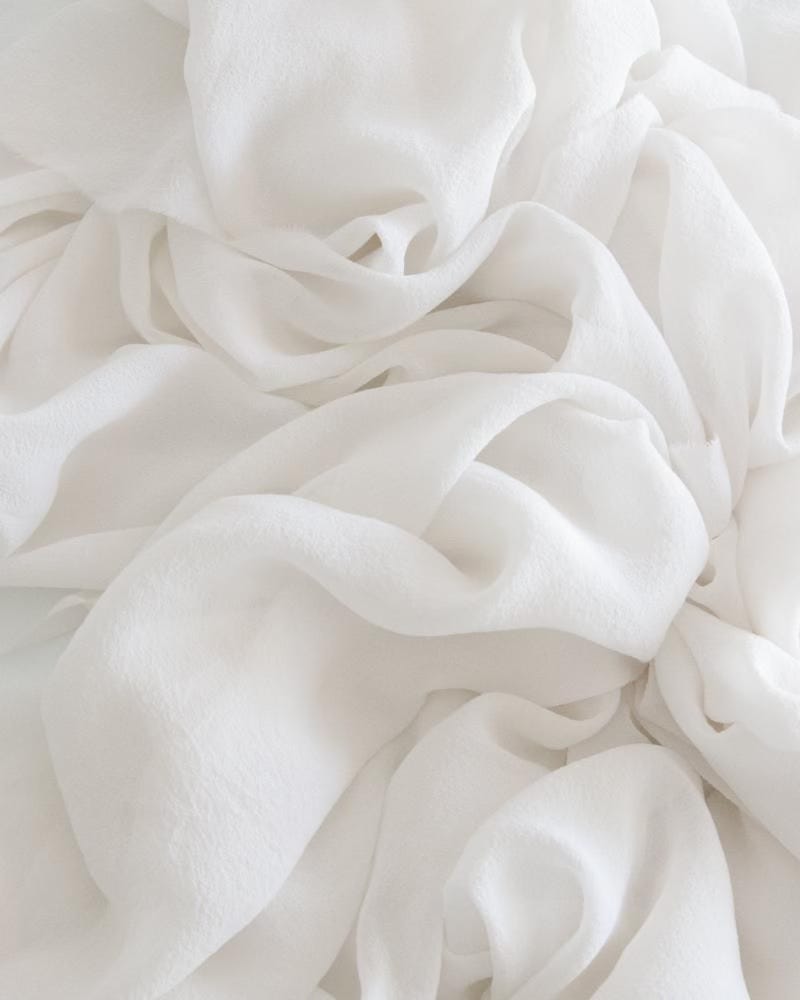
Thread count is tossed around a lot especially when shopping for sheets. But more isn’t always better. Anything over 400 tends to be marketing nonsense unless the cotton is really high quality.
You want a high thread count plus high-quality fibre, that’s sublime. A high thread count plus cheap fibres will be thick, stiff, and weirdly sweaty.
It’s a bit like saying a wine is good just because the label’s gold.
200-300: crisp and cool, usually paired with a percale weave
300-400: best overall: soft, durable and breathable
300-600: silky and warm, usually paired with a sateen weave
>800: be cautious, extremely high counts often use lower-quality, multi-ply or fake materials to inflate the number.
For materials like linen, a lower thread count (80-140) is normal and desirable for breathability. These thread counts above are specific to cotton.
And don’t forget the quality of the fiber is more important than a high number.
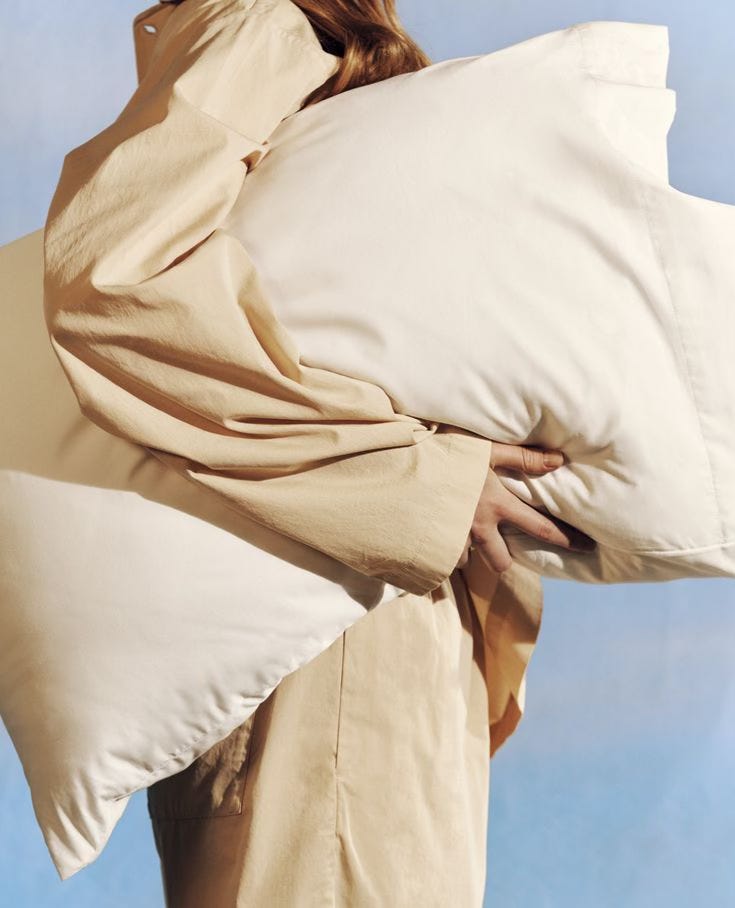
Different Weaves, Different Vibes
Just as important as what cotton you’re buying is how it’s woven. Each weave brings its own characteristics.
Poplin (or Broadcloth): Smooth, tightly woven, slightly crisp. Excellent for shirts.
Percale: Matte finish, cool and crisp. Perfect for summer bedding.
Sateen: Smooth and slightly glossy (not to be confused with satin, which is a weave made primarily with synthetics or silk). Really soft and warm, perfect for bedding. Currently on my bed.
Voile: Sheer, light, floaty. Delicious for warm-weather blouses or curtains billowing in coastal villas.
Canvas / Twill / Denim: Heavier weaves used for trousers, jackets, and anything with structure.
How to Tell If It’s Quality (Without a Microscope or a PhD)
When shopping for cotton, whether it’s fashion or homeware, trust your senses.
Feel it. Good cotton is smooth but has a bit of substance. Not slippery like polyester, not scratchy like bargain-bin blends.
Look closely. Hold it up to the light. The weave should be even and consistent, no irregular threads or plasticky sheen.
Smell it. Odd as it sounds, cheap cotton often smells faintly chemical. Good cotton? Practically scentless.
Wrinkle it. Give it a gentle scrunch. Does it crease softly? Perfect. Real cotton creases. If it bounces back like elastic, you might be dealing with synthetic fibres or blends.
What to Avoid: Cotton’s Red Flags
“Cotton-rich” – Translation: mostly not cotton.
“Wrinkle-free” – Often means chemically treated. Great for airport shirts, less so for sensitive skin.
Blends with no breakdown – If it says “cotton blend” but doesn’t specify what it’s blended with, assume the worst.
Too cheap to be true – If it’s suspiciously affordable, it’s probably stiff, low-grade, or pretending to be something it’s not.
Final Thoughts on Proper Cotton
Here’s the thing, cotton doesn’t shimmer or swish. But it’s the fabric of fresh starts and slow Sundays. It’s the backbone of life, from waking up in your own bed to taking a bath and wrapping yourself into a plush towel.
Any outfit isn’t complete without a piece made from cotton. A white t-shirt, a pair of blue jeans, even the underwear underneath. It’s all made from cotton (assuming you know how to shop well for yourself).
Taking that extra moment to ensure you have the best possible cotton products, is worth every second. Trust me, it will pay off in more ways than one.
Warmly,
— A Friend in Silk
Other articles in Rudimentary: